
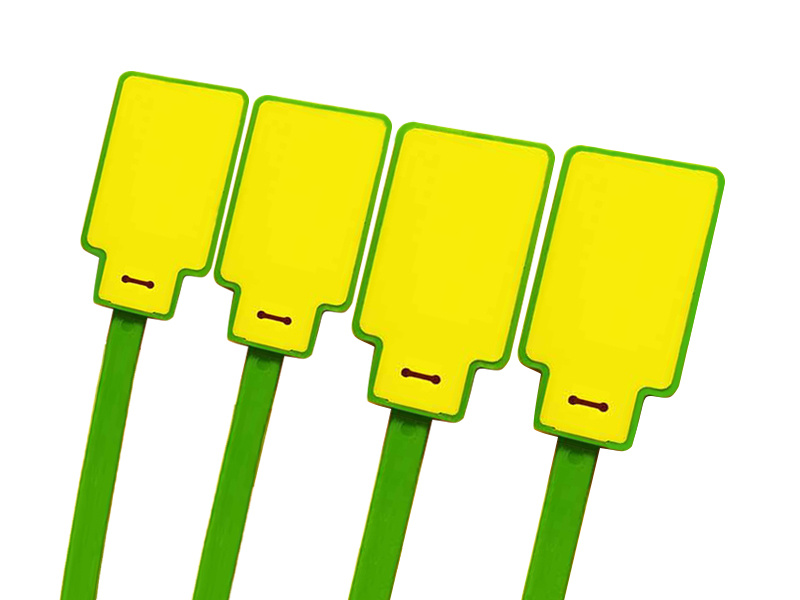
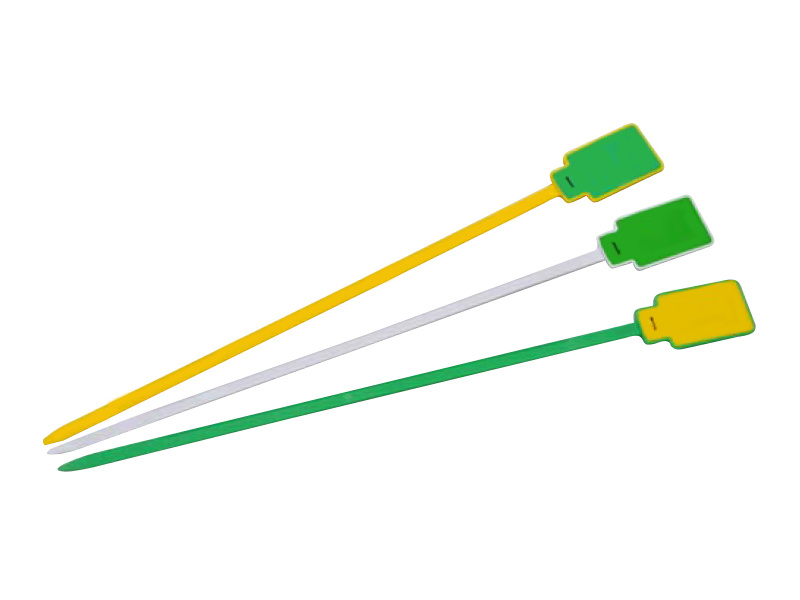
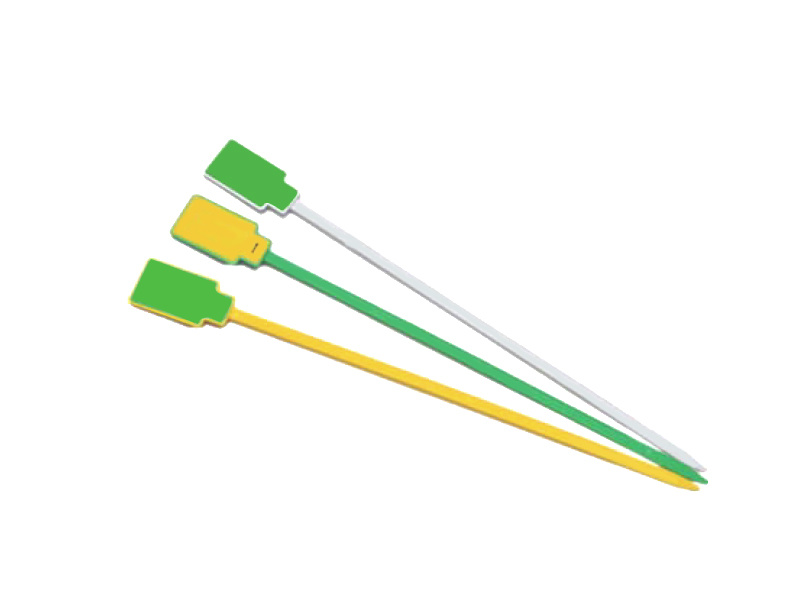
Etiqueta RFID UHF para bridas de cables para la trazabilidad de alimentos



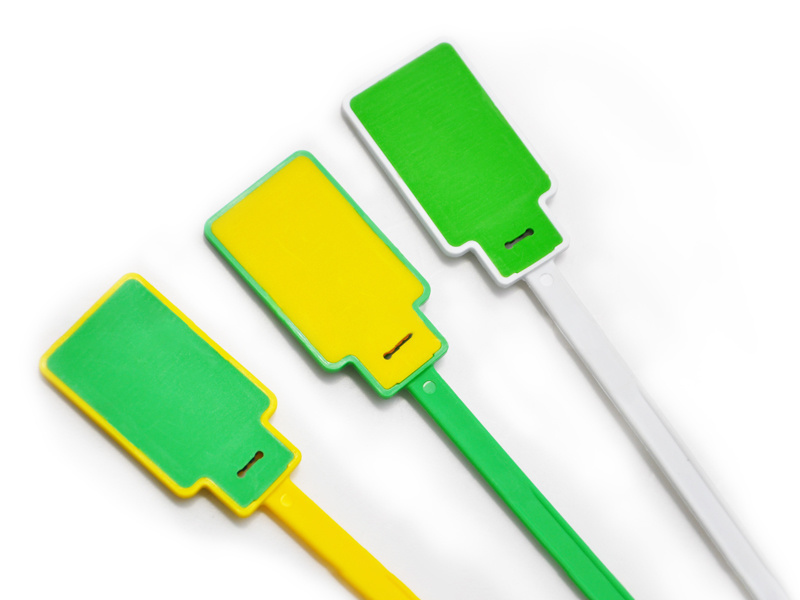

Características principales
Estructura de cierre unidireccional
En el interior de la hebilla se instala una pieza de bloqueo metálica. Una vez insertada la brida, no se puede extraer fácilmente, lo que ayuda a prevenir su retirada o reutilización no autorizada.
Lectura RFID estable
La sección del chip RFID permanece fuera del artículo sujeto, lo que reduce la interferencia del material del objeto y ayuda a mantener un rendimiento de lectura estable.
Construcción de PP duradera
La etiqueta es impermeable, resistente a los impactos, a la corrosión y al desgaste diario, lo que la hace adecuada para aplicaciones en logística, procesamiento de alimentos, agricultura y exteriores.
Trazabilidad a nivel de producto
Cada etiqueta puede contener un código RFID único vinculado a información sobre producción, procesamiento, inspección, transporte, inventario y ventas.
Identificación a larga distancia
La etiqueta se puede identificar mediante lectores RFID fijos compatibles y terminales RFID portátiles, lo que permite una verificación y recopilación de datos más rápidas.
Chip RFID personalizable
El chip estándar es el G2XM, aunque se pueden personalizar otros chips RFID UHF según la memoria, la frecuencia y el rendimiento de lectura requeridos.
Esta brida de sujeción con identificador RFID UHF está fabricada en plástico PP resistente con un chip RFID encapsulado de forma segura en su interior. Es impermeable, resistente a la corrosión y al desgaste, y apta para uso prolongado en aplicaciones que requieren una sujeción segura e identificación de artículos.
El diseño de bloqueo unidireccional permite fijar la etiqueta a productos, bolsas, contenedores, animales u otros artículos que requieran trazabilidad. Una vez conectada a un sistema de gestión RFID, la etiqueta puede vincularse con el origen del producto, su procesamiento, inspección, logística, inventario y registros de ventas.
La distancia de lectura real puede variar dependiendo del lector RFID, la antena, la potencia de salida, el método de instalación y el entorno operativo.
En un sistema de trazabilidad de la carne, los animales pueden identificarse inicialmente mediante crotales RFID durante la etapa de cría. Tras el procesamiento, se puede colocar una etiqueta RFID en cada producto cárnico o envase.
La etiqueta puede vincularse a información como el origen del producto, el lote de procesamiento, el registro de inspección, el estado logístico, el peso, el precio, el número de tienda y el lugar de venta.
En plantas de procesamiento, almacenes, puntos de control logístico y tiendas minoristas, el personal puede escanear la etiqueta RFID para verificar la información del producto y actualizar los registros. Esto ayuda a mejorar la identificación del producto, reducir los errores manuales y crear un registro de trazabilidad más claro desde el procesamiento hasta la venta.
La etiqueta RFID por sí sola no proporciona un seguimiento continuo en tiempo real. La trazabilidad depende de los lectores RFID y del software que se utilice en los puntos de control correspondientes.
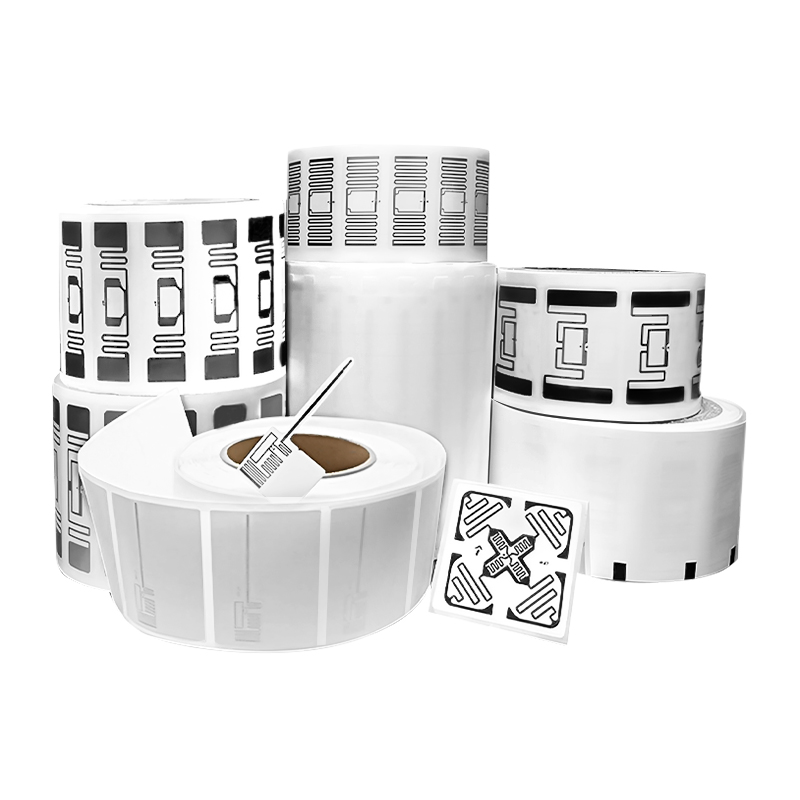
Aplicaciones de destino1. Bibliotecas: seguimiento de libros, antirrobo, autopréstamo para inventario de alta velocidad, reducción de errores de escaneo manual2. Almacenamiento: seguimiento de pallets/contenedores, gestión de inventario para lectura masiva (más de 100 etiquetas/seg), mejora la eficiencia logística.3. Estanterías inteligentes para minoristas, seguimiento a nivel de artículo, anti-falsificación para actualizaciones de stock en tiempo real, pago sin inconvenientes4. Lino/Telas-Traslado de textiles de hospital/lavandería (uniformes, toallas, sábanas) Resistente al lavado a alta temperatura, duradero contra la abrasión5. Lavandería: clasificación automatizada, gestión del ciclo de vida para reducir pérdidas y optimizar el flujo de trabajo.Opciones de personalización1. Materiales de la etiqueta y durabilidadEtiquetas de papel/PET: rentables para comercio minorista y logística.Etiquetas de tela lavables: encapsulado de silicona/TPU para ropa de cama/lavandería (IP67/IP68).Resistente a altas temperaturas: para lavandería industrial (hasta 200 °C).Respaldo adhesivo: permanente o removible (para activos reutilizables).2. Tamaños y formasTamaños estándar: 50×30 mm, 75×45 mm o dimensiones personalizadas.Opciones flexibles/rígidas para superficies curvas (por ejemplo, botellas, contenedores).3. Codificación e impresiónNúmeros EPC precodificados (compatibles con GS1).Impresión de código de barras/código QR + texto legible por humanos (transferencia térmica/láser).4. Características especialesEtiquetas Anti-Metal – Para estantes/contenedores de metal.Diseños a prueba de manipulaciones: etiquetas destructibles para mayor seguridad.
LEER MÁS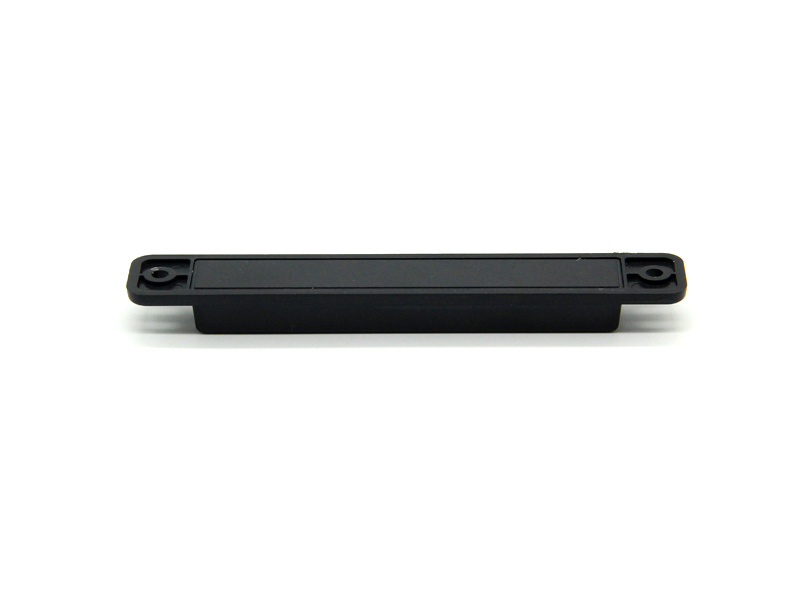
Descripción general del productoEsta etiqueta RFID UHF pasiva para superficies metálicas está diseñada para la identificación y el seguimiento fiables de activos adheridos a ellas. Ofrece un amplio alcance de lectura, un rendimiento estable, una gran durabilidad y una implementación rentable para la gestión de activos industriales y empresariales. Características principalesLa robusta carcasa protege el chip RFID interno de impactos, polvo, humedad y el desgaste diario. Permite la instalación con adhesivo de alto rendimiento o tornillos, facilitando su fijación segura a diferentes tipos de equipos metálicos.Cuando se utiliza con lectores RFID portátiles o fijos, la etiqueta permite una identificación rápida y sin contacto, sin necesidad de escaneo directo mediante línea de visión, lo que ayuda a mejorar la eficiencia del inventario y a reducir la carga de trabajo manual. AplicacionesAmpliamente utilizado para el seguimiento de herramientas, la gestión de equipos médicos, el seguimiento de instrumentos de laboratorio, la gestión de equipos de líneas de producción, el seguimiento de activos informáticos, la gestión de equipos de telecomunicaciones, el inventario de almacenes y la gestión de activos fijos.
LEER MÁS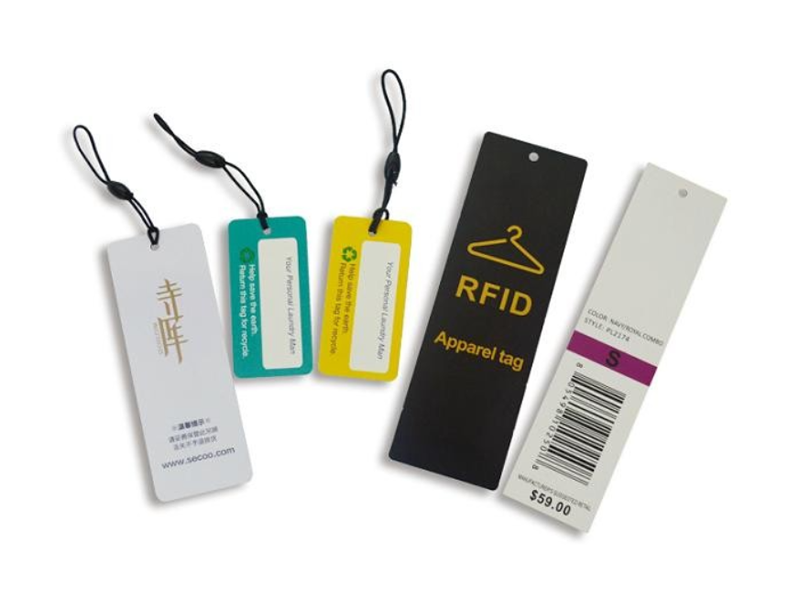
Descripción general del producto Esta etiqueta RFID para prendas de vestir está fabricada en papel o PVC, con la tecnología RFID integrada en su interior. La superficie se puede personalizar con contenido impreso como logotipos de marca, información del producto, códigos de barras y otros diseños.La etiqueta permite la identificación a larga distancia, la lectura masiva y aplicaciones antifalsificación. Se puede fijar directamente a las prendas mediante un método de colgado estándar, lo que la hace idónea para la gestión de inventarios de ropa y tiendas minoristas. RFID para la gestión de prendas de vestir Las ventas de ropa pueden verse afectadas por muchos factores, como la temporada de ventas, la ubicación de la tienda, las preferencias del consumidor, las tendencias de la moda y el precio del producto. Por lo tanto, el seguimiento en tiempo real del inventario y el estado de las ventas es fundamental para la gestión de un negocio de ropa.Mediante la aplicación de la tecnología RFID, las empresas de confección pueden identificar rápidamente varias prendas, mejorar la visibilidad del inventario, acelerar el recuento de existencias y aumentar la eficiencia operativa en almacenes y tiendas minoristas.
LEER MÁS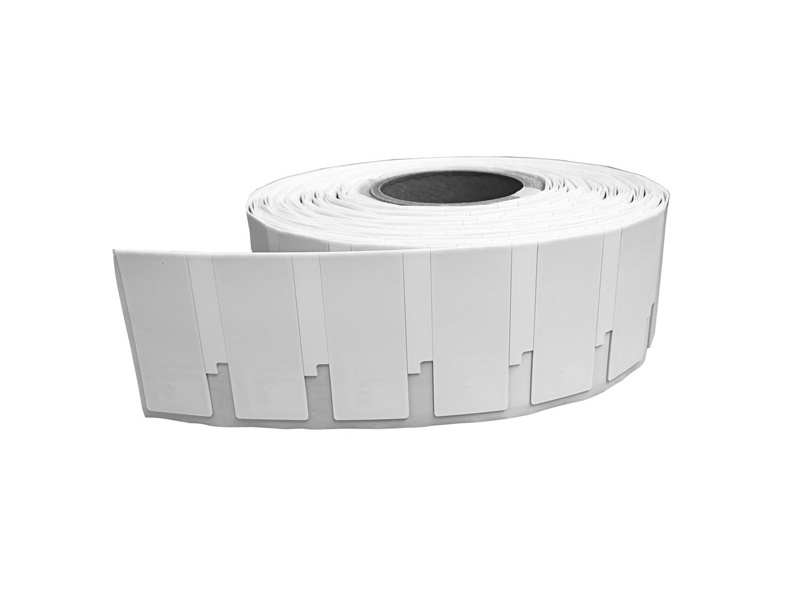
Descripción general del producto Esta etiqueta RFID flexible imprimible sobre metal mediante tecnología UHF está fabricada con un material flexible especial diseñado para su uso en superficies metálicas irregulares, curvas o desiguales.A diferencia de las etiquetas rígidas convencionales para metal, esta se puede fijar con mayor facilidad a equipos metálicos curvos, manteniendo un rendimiento de lectura RFID fiable. La etiqueta cumple con las normas EPC Clase 1 Gen 2 e ISO/IEC 18000-6C y se puede codificar e imprimir con impresoras RFID compatibles. Características principales Diseño flexible para superficies metálicas curvas e irregulares.Rendimiento de lectura fiable cuando se adhiere a metal.Imprimible y codificable con impresoras RFID compatibles.Construcción ligera y de perfil bajo.Servicios personalizados de impresión, codificación, códigos de barras y números de serie.Adecuado para la identificación de activos y equipos industriales.
LEER MÁS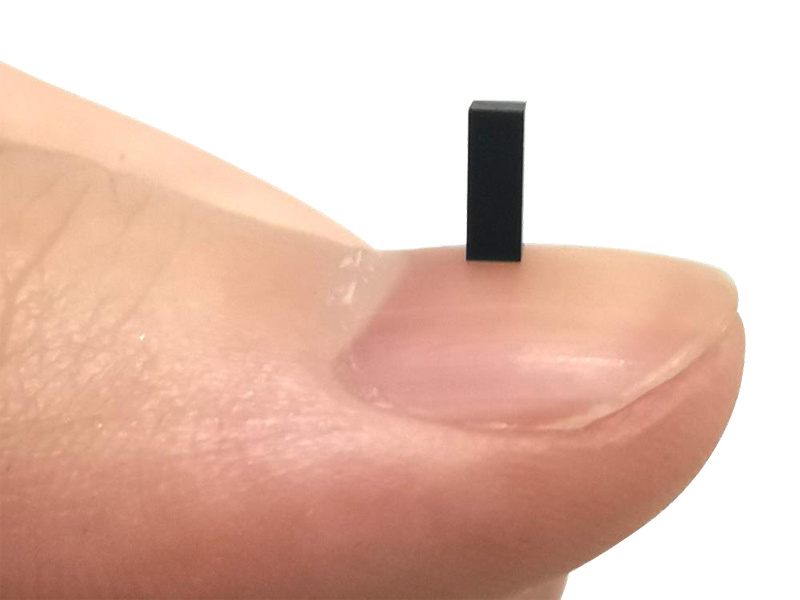
Características principales Diseño ultracompacto para pequeños activos metálicos.Rendimiento RFID fiable en superficies metálicas.Adecuado para montaje en superficie o instalación empotrada.Resistente a temperaturas extremadamente bajas y altas.Construcción industrial resistente a la corrosiónProtección IP67 contra agua y polvo.Admite la lectura de etiquetas en masa y muy próximas entre sí.Amplio rango de frecuencia de funcionamiento
LEER MÁS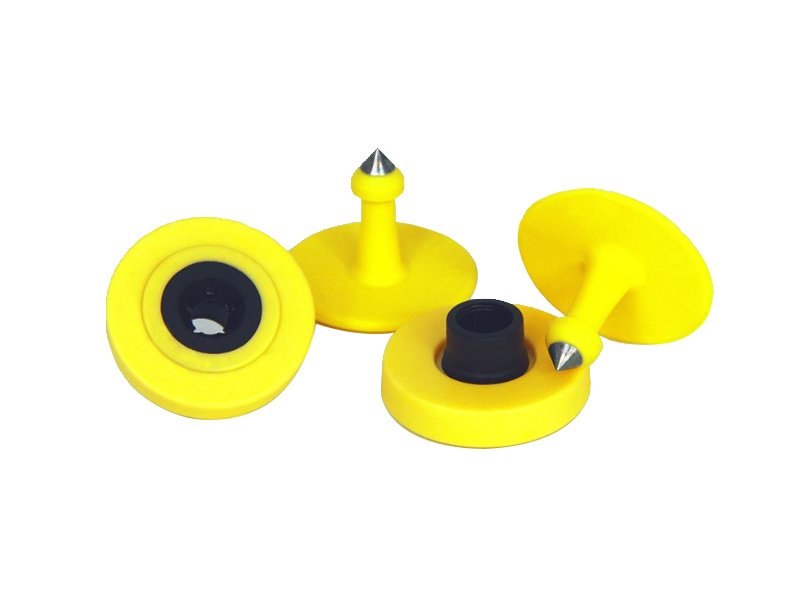
Características principales: Identificación electrónica individual para el ganadoAdecuado para cerdos, vacas, ovejas y otros animales.Compatible con sistemas RFID UHF ISO/IEC 18000-6C.Estructura de memoria de chip de 192 bitsImpermeable y resistente a la luz solar y a la exposición prolongada a la humedad.Clasificación de protección IP67Construcción resistente a impactos y vibracionesFuerte conexión entre los componentes de la etiqueta masculina y femenina.Tamaños, colores y chips UHF personalizados disponibles
LEER MÁS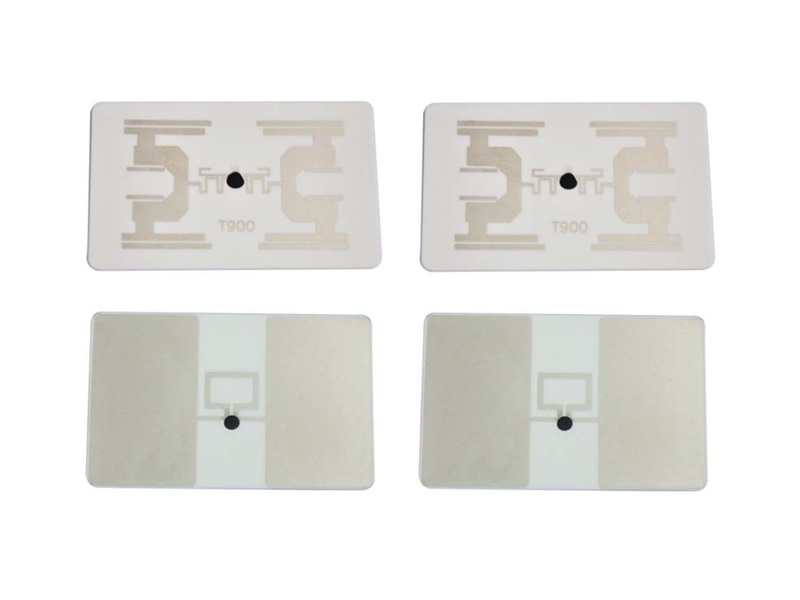
Características principales Diseño a prueba de manipulacionesLa frágil estructura cerámica se rompe al intentar retirarla, lo que inutiliza la etiqueta y ayuda a prevenir su transferencia o reutilización no autorizada.Rendimiento fiable del parabrisasDiseñado para una lectura RFID estable cuando se monta en el cristal del vehículo, lo que lo hace adecuado para la identificación de vehículos y el control de acceso.Protección antitransferenciaUna vez instalada, la etiqueta permanece vinculada al vehículo original y no se puede trasladar a otro vehículo sin dañarlo.Resistencia a altas temperaturasEl sustrato cerámico proporciona un rendimiento estable en entornos de vehículos con altas temperaturas.Identificación de vehículos sin contactoPermite el reconocimiento rápido mediante RFID sin necesidad de escanear manualmente el código de barras, lo que mejora la eficiencia en la entrada y salida de vehículos.Impresión personalizadaLa superficie admite la serigrafía para la impresión de logotipos, números de serie, códigos de vehículos y otra información de identificación.
LEER MÁS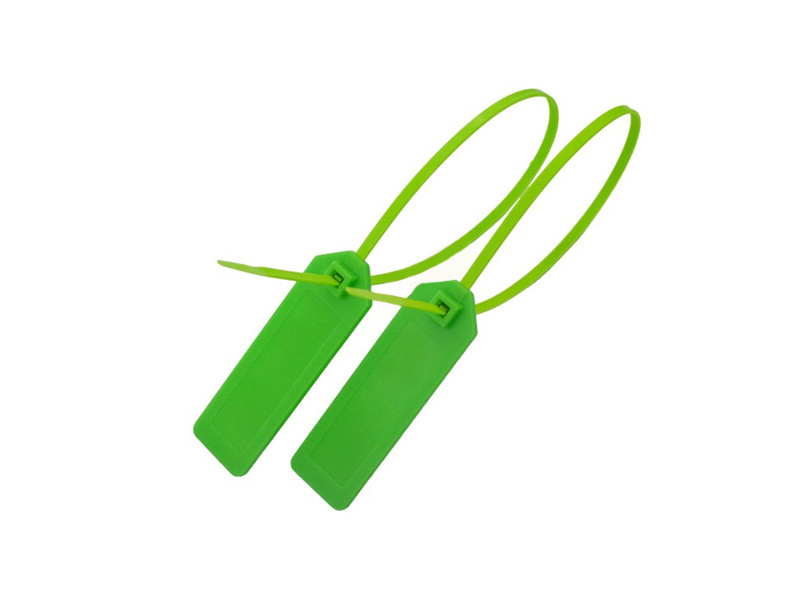
Características principales ODiseño de cierre de doble sentidoEn el interior de la hebilla se instala una pieza de bloqueo metálica. Una vez insertada y ajustada la brida, no se puede extraer fácilmente, lo que proporciona un sellado seguro.Lectura RFID estableLa sección del chip RFID permanece fuera del objeto sujeto, lo que reduce la interferencia del material del contenedor o la carga y ayuda a mantener un rendimiento de lectura estable.Carcasa de PP duraderaLa etiqueta es impermeable, resistente a la corrosión, a los impactos y al desgaste diario, lo que la hace idónea para aplicaciones de logística, almacenamiento y transporte al aire libre.Identificación a larga distanciaLa etiqueta admite lectura de largo alcance con lectores RFID fijos compatibles y también puede identificarse mediante terminales RFID portátiles.Identificación única de la cargaCada etiqueta puede contener un código RFID único vinculado a los números de contenedor, los registros de carga, los detalles del envío, el estado de la inspección y la información de entrega en el sistema de gestión.Chip RFID personalizableEl chip Alien Higgs-3 está disponible como chip estándar, mientras que otros chips RFID UHF pueden suministrarse según los requisitos del proyecto.
LEER MÁS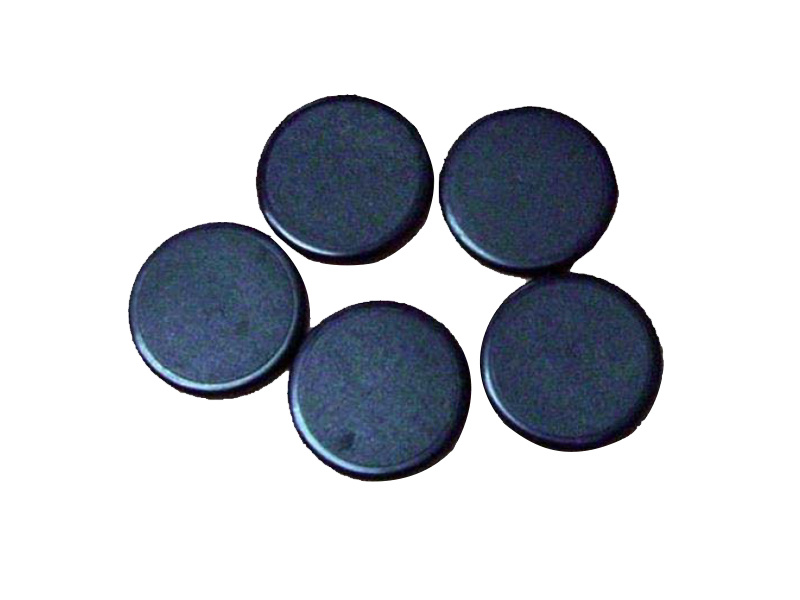
Características principales Lavable y reutilizableLa etiqueta puede soportar lavados repetidos, remojo, frotamiento y el proceso diario de lavandería, lo que la hace adecuada para la identificación de textiles a largo plazo.Resistencia a altas temperaturasLa carcasa de PPS permite su uso en entornos de lavado, secado y planchado a altas temperaturas dentro del rango de temperatura especificado.Construcción duradera de PPSLa carcasa de plástico de ingeniería proporciona resistencia a la corrosión, la abrasión, la compresión y el flujo de agua intenso.Identificación con múltiples etiquetasLa etiqueta permite la lectura a corta distancia de múltiples artículos etiquetados, lo que ayuda a mejorar la eficiencia en la clasificación, el recuento y la entrega de la ropa.Diseño antiinterferenciasLa antena y la estructura de encapsulación están diseñadas para soportar una identificación RFID estable en entornos textiles y de lavandería densos.Múltiples opciones de frecuencia RFIDLa etiqueta puede equiparse con chips LF, HF o UHF según la distancia de lectura requerida, el diseño del sistema y el entorno de aplicación.
LEER MÁS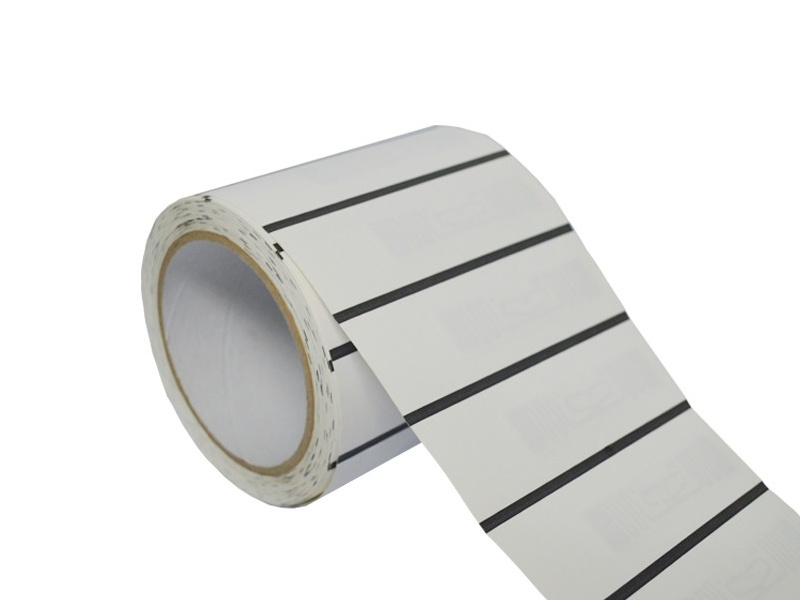
Características principales Diseño delgado y flexibleCon un grosor aproximado de 0,1 mm, la etiqueta se puede integrar en prendas de vestir y productos textiles sin añadir volumen perceptible.Instalación mediante costura o aplicación de calorLa etiqueta se puede coser a la tela o fijar mediante un proceso de transferencia térmica adecuado, según el producto y los requisitos de la aplicación.Resistente al agua y al polvoLa construcción de nailon recubierto ayuda a proteger la incrustación RFID de la humedad, el polvo, la flexión y la manipulación normal.Identificación de artículos sin contactoEl chip RFID proporciona a cada prenda o artículo textil una identidad digital única, lo que permite una rápida identificación del producto sin necesidad de escaneo directo mediante línea de visión.Admite la gestión del flujo de trabajo de lavanderíaCuando se conecta a un sistema de gestión de lavandería RFID, la etiqueta puede admitir el registro de artículos, la clasificación, el lavado, el secado, el planchado, la recogida y el registro de devoluciones.Tamaño y chip personalizablesLas dimensiones de la etiqueta y el chip RFID se pueden personalizar según la frecuencia requerida, la distancia de lectura y el entorno de aplicación.
LEER MÁS
Características principales Estructura de cierre unidireccionalEn el interior de la hebilla se instala una pieza de bloqueo metálica. Una vez insertada la brida, no se puede extraer fácilmente, lo que ayuda a prevenir su retirada o reutilización no autorizada.Lectura RFID estableLa sección del chip RFID permanece fuera del artículo sujeto, lo que reduce la interferencia del material del objeto y ayuda a mantener un rendimiento de lectura estable.Construcción de PP duraderaLa etiqueta es impermeable, resistente a los impactos, a la corrosión y al desgaste diario, lo que la hace adecuada para aplicaciones en logística, procesamiento de alimentos, agricultura y exteriores.Trazabilidad a nivel de productoCada etiqueta puede contener un código RFID único vinculado a información sobre producción, procesamiento, inspección, transporte, inventario y ventas.Identificación a larga distanciaLa etiqueta se puede identificar mediante lectores RFID fijos compatibles y terminales RFID portátiles, lo que permite una verificación y recopilación de datos más rápidas.Chip RFID personalizableEl chip estándar es el G2XM, aunque se pueden personalizar otros chips RFID UHF según la memoria, la frecuencia y el rendimiento de lectura requeridos.
LEER MÁS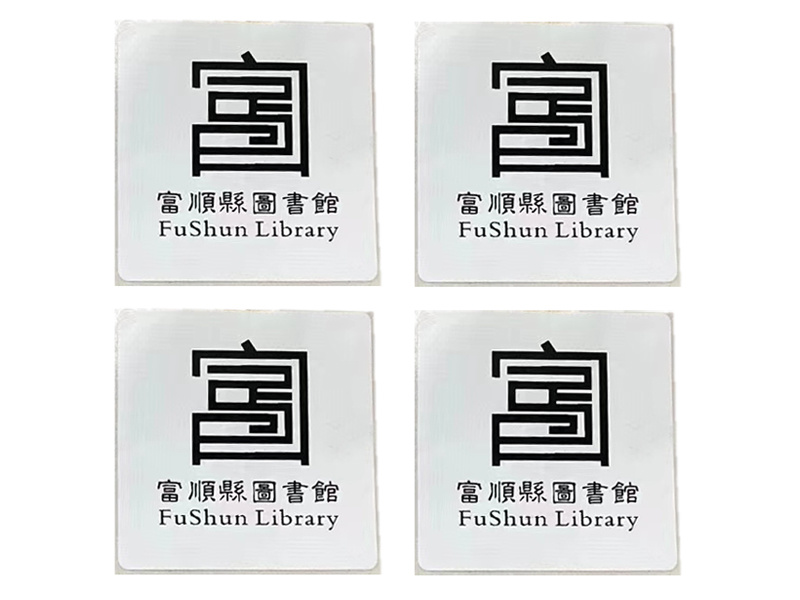
Características principales Tecnología RFID de alta frecuencia de 13,56 MHzLa etiqueta funciona a 13,56 MHz y cumple con las normas ISO 15693 y NFC Forum Tipo 5 Tag.Operación pasivaNo requiere batería. La etiqueta se alimenta mediante el campo electromagnético generado por un lector RFID compatible.Identificación única del libroCada etiqueta puede vincularse a información del libro, como el título, el ISBN, la categoría, la ubicación en la estantería, el estado de préstamo y el registro de inventario.Almacenamiento de datos duraderoEl chip admite hasta 100.000 ciclos de escritura y conserva los datos almacenados durante un máximo de 10 años.Diseño adhesivo delgadoEl revestimiento de papel vegetal y la estructura de antena grabada en aluminio hacen que la etiqueta sea adecuada para una instalación discreta dentro de los libros.Admite la automatización de bibliotecasCuando se conecta a equipos y software RFID compatibles, la etiqueta puede facilitar la circulación, el recuento de inventario, la búsqueda de libros, la clasificación y el préstamo y devolución de autoservicio.
LEER MÁS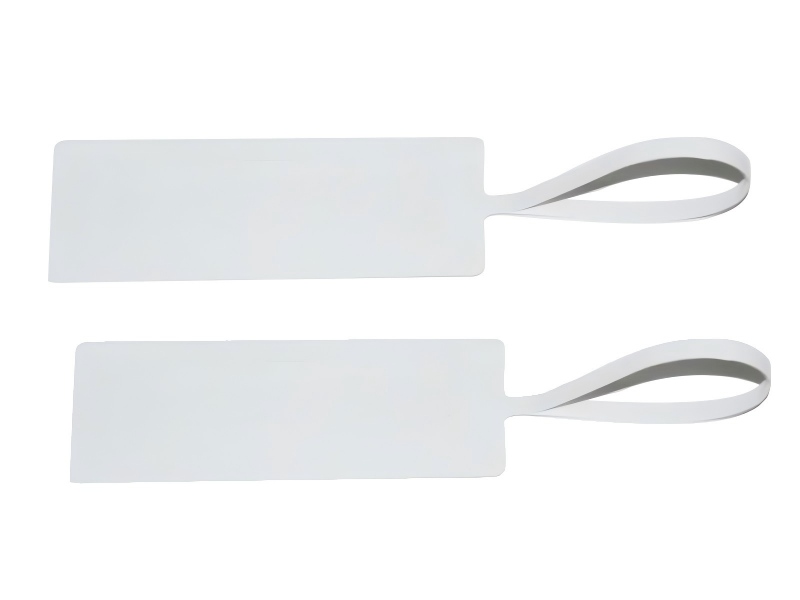
Características principales Identificación a nivel de ítemCada etiqueta RFID lleva un código único que se puede vincular a una pieza de joyería individual, lo que ayuda a las empresas a gestionar sus productos con mayor precisión.Recuento de inventario rápidoSe pueden identificar varios artículos etiquetados sin necesidad de escanear cada código de barras individualmente, lo que ayuda a reducir el tiempo de inventario en joyerías, almacenes y áreas de exhibición.Datos RFID regrabablesLa memoria del chip se puede reescribir, lo que permite actualizar los datos del producto según el inventario, los precios o los requisitos operativos.Impresión personalizadaLa superficie de PVC se puede imprimir con logotipos, detalles del producto, precios, números de serie, códigos de barras y diseños personalizados.Mayor precisión en el inventarioLa tecnología RFID ayuda a reducir los escaneos fallidos, los registros duplicados y los errores de conteo manual, lo que contribuye a obtener registros de inventario más precisos.Diseño compacto para tiendasLa etiqueta es adecuada para productos pequeños de alto valor y se puede colocar sin afectar significativamente la presentación del producto.
LEER MÁS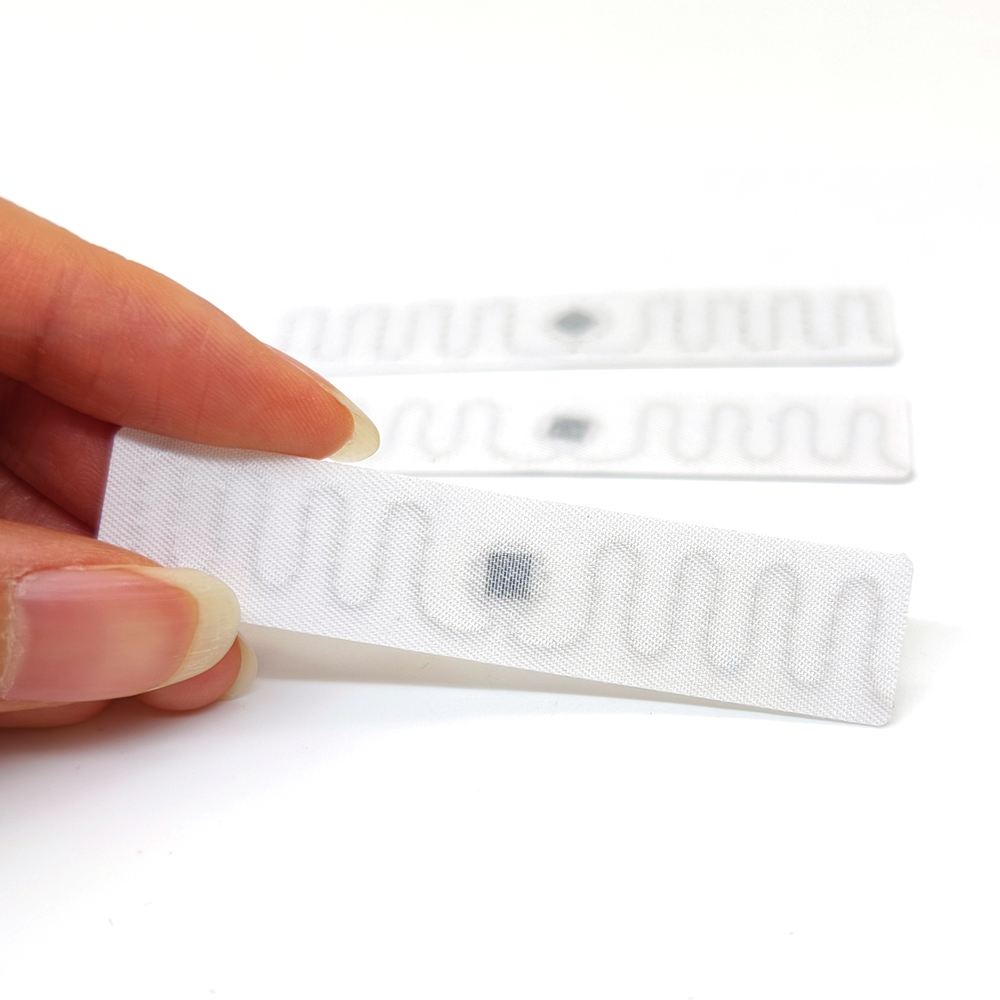
Key Features High-Temperature and High-Pressure Resistance The page states that the tag can withstand ironing conditions of 85°C for 60 minutes, 120°C for 10 minutes, 150°C for 4 minutes, and 180°C for 10 seconds under 4 bar pressure. Long-Range RFID Reading The stated reading distance is up to 3 meters. Flexible Textile Construction The tag uses a flexible textile substrate, making it suitable for integration into washable textile items. Durable Data Storage The chip supports 100,000 write cycles and 10 years of data retention. High Waterproof Protection The page states an IP69K protection level and resistance to 25 bar high-pressure washing. Chemical Resistance The page states that the encapsulation can withstand pH 1–13 environments.
LEER MÁSHi! Click one of our members below to chat on
 es
es 


 Red IPv6 compatible